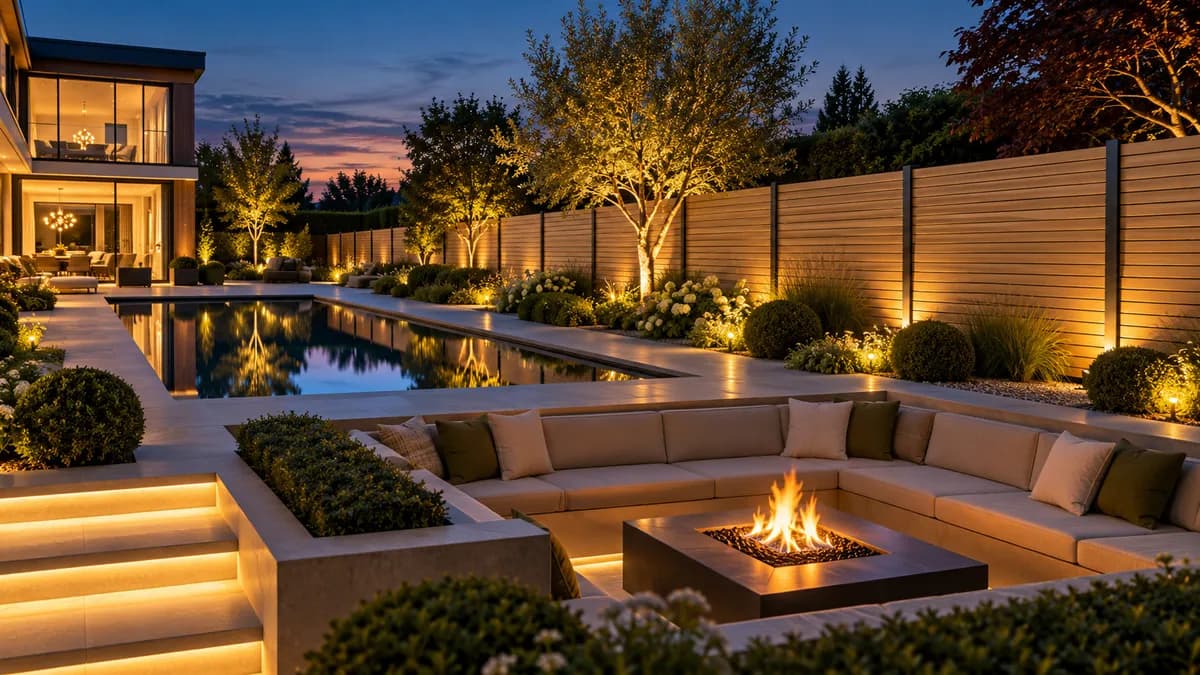
Aluminium Or Timber Fencing: Which Is Right For Your Project?
Timber is the familiar choice and aluminium the newer one. Here is how they compare on upkeep, weather, looks, cost and planning, so you can choose with confidence.
6 min read
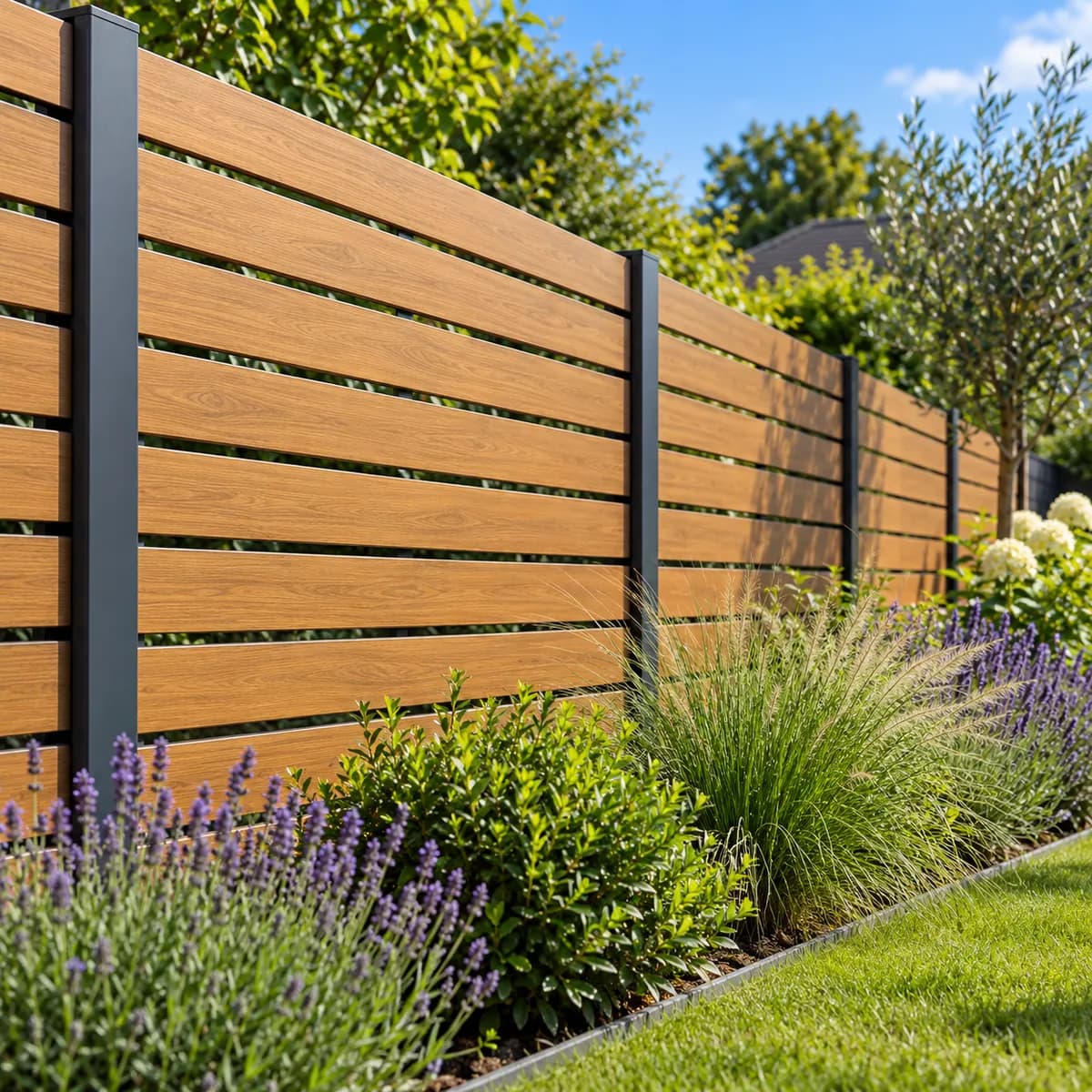
Timber has been the default garden fence in the UK for generations, and for good reason: it is familiar, widely available and easy to fit. Aluminium fencing is the newer alternative, and it is appearing more and more around contemporary homes, landscaped gardens and commercial sites. Both can make a good boundary. The right choice depends on how you want the fence to look, how much upkeep you are prepared for, the conditions it will face and how long you want it to last before you need to think about it again.
How They Compare At A Glance
- Upkeep: timber usually needs re-staining or re-treating every few years; powder coated aluminium needs an occasional wash.
- Weather: timber can rot, warp and split as it gets wet and dries out; aluminium doesn't rot and holds its shape.
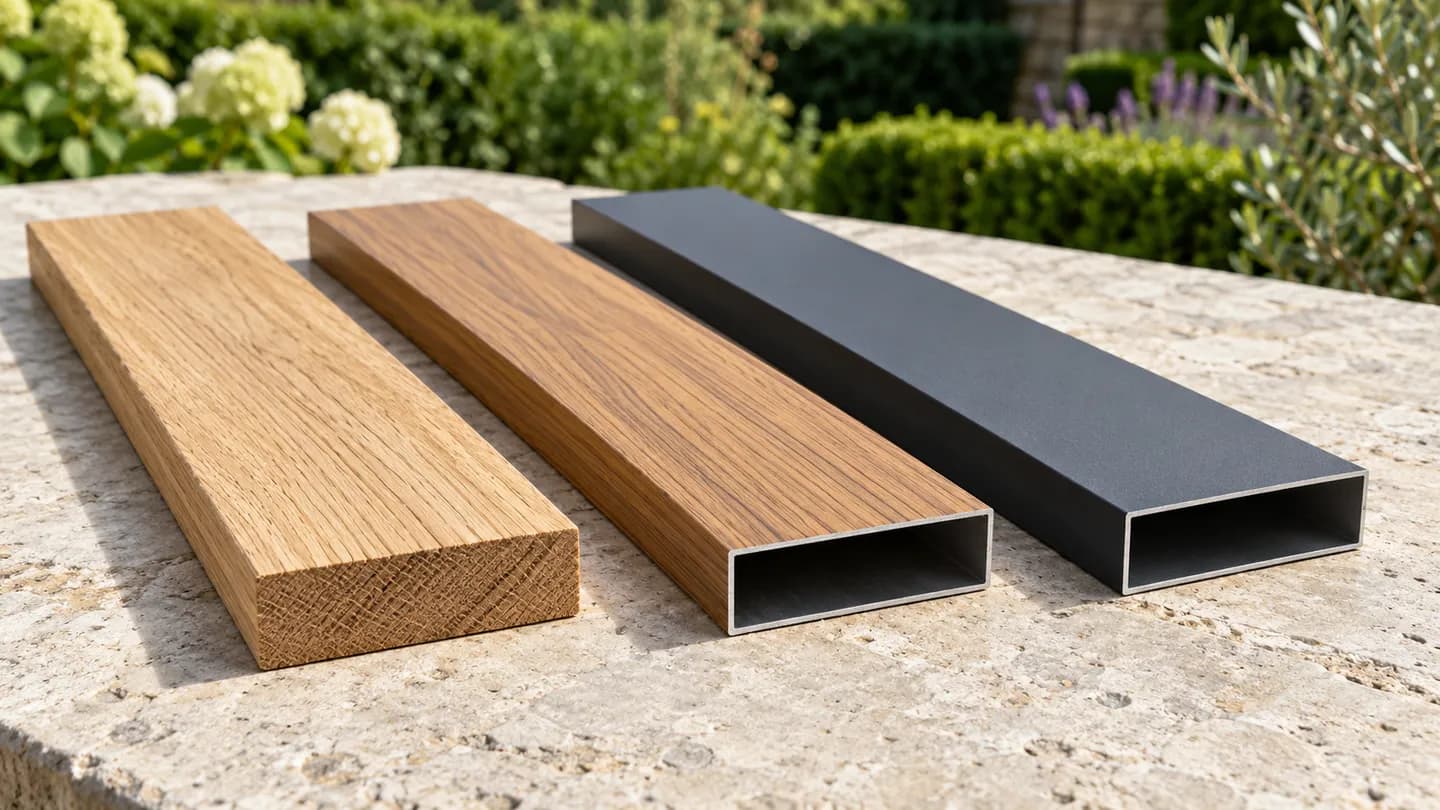
- Look: timber has natural grain that fades to silver-grey over time; aluminium comes in powder coated colours or woodgrain finishes.
- Upfront cost: a standard softwood panel fence is usually cheaper to buy; aluminium costs more at the start.
- Long-term cost: less maintenance and fewer replacement parts can narrow that gap over the years.
- Sustainability: timber is renewable when it comes from certified forests; aluminium can be recycled again and again.
Upkeep: Staining Versus A Wash
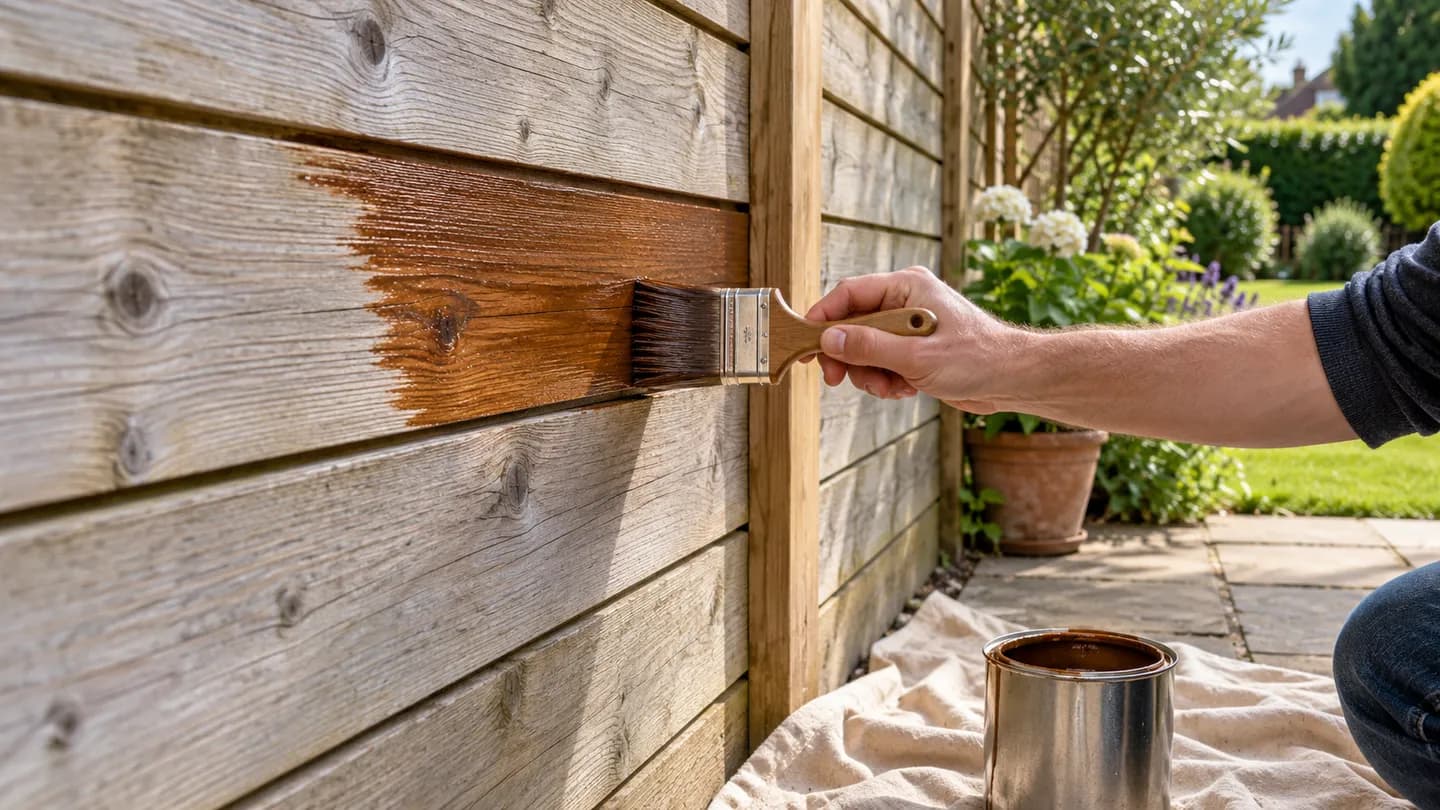
Most timber fencing in UK gardens is pressure-treated softwood. The treatment protects it for a while, but to keep it looking good, many suppliers recommend re-staining or re-treating it every couple of years. Boards that split or rot also need replacing over time, especially near the ground and around the posts.
Powder coated aluminium asks for far less. The colour is applied and cured in the factory, so there is no painting cycle to keep up with. An occasional wash with water and a mild detergent, much as you would clean a window frame, keeps the finish looking fresh. That is a big part of the appeal for homeowners who would rather spend summer weekends enjoying the garden than staining the fence.
Weather, Rot And Warping
The British climate is hard on wood. Rain, frost and summer sun make timber swell and shrink, which over the years can lead to warping, splitting and rot. Posts set in wet ground are often the first part to fail, and a leaning fence or a missing panel after a winter storm is a familiar sight.
Aluminium behaves differently. It doesn't rot, it doesn't rust the way steel does, and extruded profiles keep their shape through wet and dry seasons. Location still matters, though. Near the coast or on exposed sites, the right powder coating specification and pretreatment are important, so if your project is in a coastal or demanding environment, mention it when you ask for a quote and the specification can be considered from the start.
The Look: Colours And Woodgrain
Natural grain is timber's strongest point. Untreated wood fades to a soft silver-grey as it ages, which some people love and others would rather avoid.
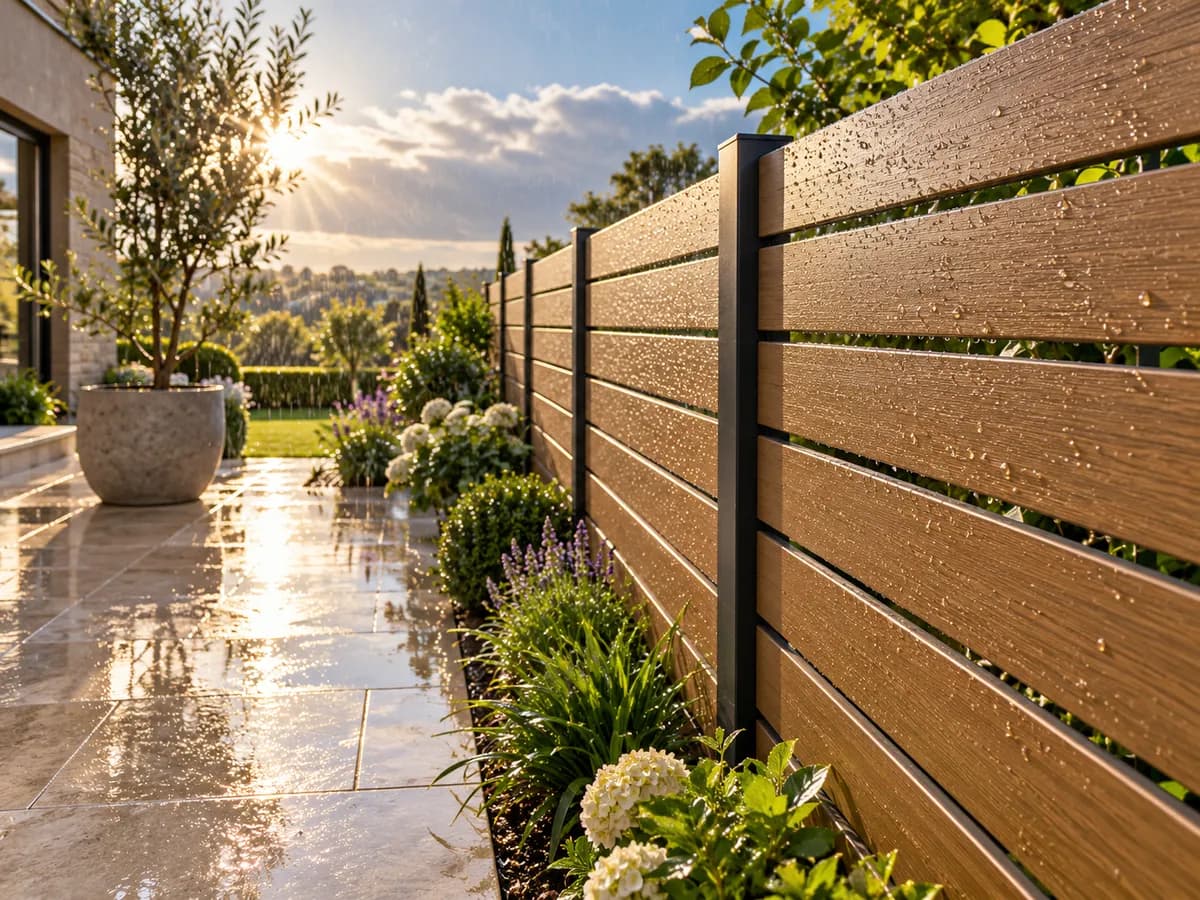
Aluminium fencing gives you two main directions. Powder coated colours such as anthracite grey or black suit contemporary architecture and sit well alongside modern windows and doors. Woodgrain finishes reproduce the look of timber on an aluminium profile, from light oak to darker walnut, for a warm, natural feel without the staining routine. Matching gates in the same finish keep the whole boundary consistent.
Cost: The Price Today And The Years After
On upfront price, timber usually wins. A run of standard softwood panels and posts is one of the most affordable ways to fence a garden, and aluminium will cost more for the same length.
The picture changes when you look further ahead. Timber brings regular costs: stain or preservative, the time or labour to apply it, and replacement boards, panels or posts as parts of the fence wear out. Aluminium puts more of the cost at the start, with much less to spend afterwards. Over the life of the fence that can narrow the gap considerably, which is why many people see aluminium as an investment in the property rather than a quick fix.
Where you source it matters too. We supply aluminium fencing profiles, components and complete kits at highly competitive prices through our trusted manufacturing network, which can bring aluminium closer to your budget than you might expect.
Wind, Weight And Fitting
Solid fence panels catch the wind, which is one reason so many timber panels come down in winter storms. Slatted designs with small gaps between the slats let some of the wind pass through. How well any fence copes with the wind depends on its design, its height and how it is installed, so it is worth discussing exposed sites with your installer.
Aluminium profiles are light enough to handle easily on site, and fencing systems are designed to fit together in a consistent way. We supply the products only: installation is carried out by your chosen installer, who can work from your site's dimensions and layout.
Planning Rules Apply To Both
Height limits are the same whichever material you choose. In England, you can usually put up a fence or gate without planning permission if it is no higher than 2 metres, or 1 metre where it is next to a road used by vehicles or that road's footpath. Listed buildings, boundaries with a listed building, and places where an Article 4 direction or planning condition has removed this right need permission, and in conservation areas even taking an old fence down can need consent. The rules differ in Scotland, Wales and Northern Ireland, so check with your local planning authority before you order.
Which Should You Choose?
Timber is a sensible choice if budget is the main concern, if the fence only needs to last a few years, or if you want a traditional, rustic look and don't mind the upkeep.
Aluminium is worth considering if you want a boundary that keeps its looks with little maintenance, a contemporary design, a colour or woodgrain that matches your gates and the rest of the property, or a fence that will face the weather year after year. For installers and landscapers, it is also a way to offer customers a premium, low-upkeep option alongside timber.
Sourcing Aluminium Fencing Through ExtrusionStar
ExtrusionStar supplies slatted and full privacy aluminium fencing, matching gates, and the profiles and components behind them, in powder coated colours and woodgrain finishes. You can buy the profiles on their own or source a complete project kit, with one point of contact from enquiry to delivery.
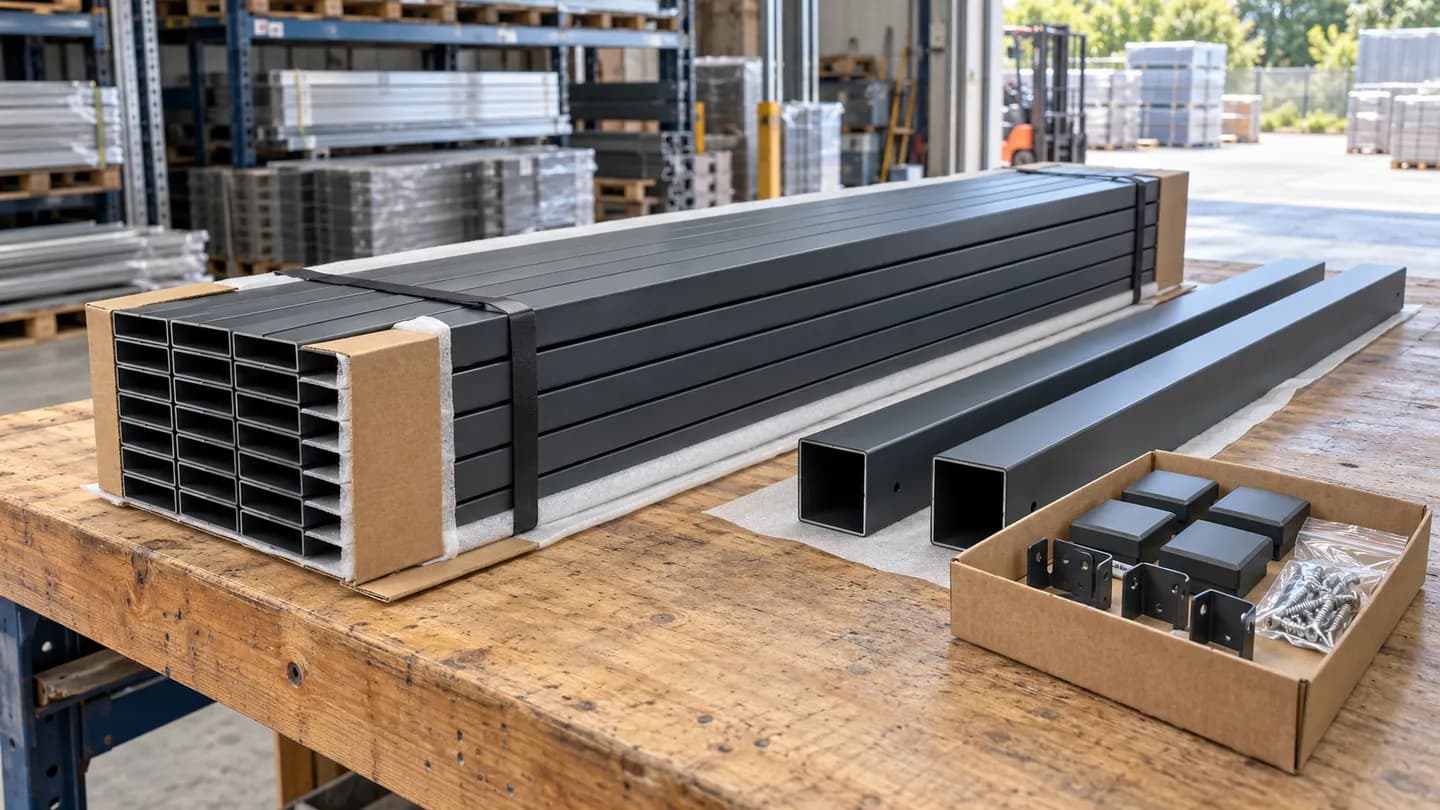
Send us your layout, dimensions or profile drawing, together with your preferred finish and delivery postcode, and we'll put together a competitive quotation. Not every detail decided? Send us what you have. Homeowners can ask for a quote too, through the form on our Aluminium Fencing page, and we'll pass the enquiry to one of the partner firms we supply.
Ordering For A Project? Read How To Specify An Aluminium Fencing Order